Safety Warning Signs - Free Download


Climate change is one of the most pressing challenges facing our planet
today. As the Earth's climate continues to warm due to human activities, its
impact is being felt across various sectors, including health, safety, and the
environment (HSE). Climate change poses significant risks to workers,
communities, and the natural environment, necessitating urgent attention and
proactive measures. This article explores the implications of climate change on
HSE, identifies key risks, and outlines essential mitigation strategies.
1. Increased Health Risks:
One of the most significant impacts of climate change on HSE is the
increased health risks for workers and communities. Rising temperatures can
lead to heat-related illnesses, such as heatstroke and heat exhaustion,
especially for those working outdoors or in poorly ventilated areas.
Additionally, changing weather patterns can exacerbate respiratory conditions
due to more frequent wildfires and pollen-related allergies.
Mitigation Strategy: Implement heat stress management programs, provide
adequate cooling and hydration facilities for workers, and promote awareness of
health risks associated with climate change. Enhance public health measures to
address respiratory issues caused by worsening air quality.
2. Extreme Weather Events:
Climate change is linked to an increase in the frequency and intensity of
extreme weather events, including hurricanes, floods, wildfires, and storms.
Such events can pose immediate dangers to workers and communities, causing
injuries, loss of life, and damage to infrastructure.
Mitigation Strategy: Develop and practice emergency response plans to
address extreme weather events. Enhance building codes and infrastructure
design to withstand these events. Provide evacuation training and ensure
workers' safety during emergency situations.
3. Occupational Hazards:
Climate change can also impact the nature of certain occupations. For
instance, workers in agricultural and construction sectors may face altered
working conditions due to changing weather patterns, including more intense
rainfall or prolonged droughts. This can affect productivity, worker
well-being, and overall job security.
Mitigation Strategy: Diversify economic opportunities and provide
training for workers in sectors vulnerable to climate change. Implement
adaptive measures in agricultural and construction practices to cope with
changing weather conditions.
4. Impact on Ecosystems and Biodiversity:
Climate change can disrupt ecosystems and lead to changes in
biodiversity. This, in turn, can affect the availability of natural resources,
food systems, and the stability of the environment. Workers in industries
reliant on natural resources may face challenges due to changing availability
and quality of resources.
Mitigation Strategy: Encourage sustainable practices and support
conservation efforts to protect ecosystems and biodiversity. Promote
responsible resource management in industries that heavily depend on natural
resources.
5. Supply Chain Disruptions:
Climate change can disrupt supply chains due to extreme weather events, changing growing seasons, and transportation challenges. This can lead to delays, shortages, and increased operational risks for businesses and workers.
Mitigation Strategy: Develop resilient and diversified supply chains that
account for potential climate-related disruptions. Encourage collaboration
among stakeholders to address shared supply chain challenges.
6. Policy and Regulatory Changes:
Governments worldwide are increasingly recognizing the urgency of
addressing climate change. This has led to the implementation of new policies
and regulations aimed at reducing greenhouse gas emissions, promoting clean
energy, and encouraging sustainable practices.
Mitigation Strategy: Stay informed about changing regulations and comply
with environmental standards. Embrace sustainability initiatives and invest in
renewable energy sources to reduce the carbon footprint of businesses.
Conclusion:
Climate change has far-reaching implications for HSE, posing significant
risks to workers, communities, and the environment. By adopting proactive and
adaptive measures, businesses can effectively mitigate these risks. Addressing
the impact of climate change on HSE requires collaboration among governments,
businesses, workers, and communities to create a resilient and sustainable
future for all. Prioritizing climate action not only protects the well-being of
workers and the environment but also ensures the long-term viability of
industries and economies in a rapidly changing world.

In an era where
environmental sustainability is a growing concern, organizations have an
opportunity to make a positive impact through their procurement practices.
Green procurement, also known as sustainable procurement, involves the
selection of suppliers and products that prioritize environmental
sustainability throughout their lifecycle. This article explores the importance
of green procurement and provides insights into how organizations can
effectively incorporate environmentally sustainable practices into their
procurement processes.
Green procurement goes beyond traditional procurement practices by considering the environmental impact of products and suppliers. By prioritizing environmentally sustainable options, organizations can experience several benefits. These include reduced carbon footprint, resource conservation, improved corporate reputation, compliance with regulations and standards, and enhanced relationships with environmentally conscious stakeholders.
To embrace green
procurement, organizations should establish clear goals and policies that align
with their environmental sustainability objectives. These goals can include
increasing the percentage of environmentally sustainable suppliers, reducing
waste generation, or promoting the use of renewable materials. Policies should
outline specific criteria for selecting suppliers and products that meet
environmental standards and certifications.
When selecting suppliers, organizations should assess their environmental performance. This evaluation may involve criteria such as environmental management systems, pollution prevention measures, energy efficiency practices, waste management strategies, and adherence to sustainability certifications. Supplier questionnaires, site visits, and audits can help gather relevant information to make informed decisions.
Incorporating
environmental criteria into the supplier selection process is crucial for green
procurement. Considerations should go beyond price, quality, and delivery
schedules. Organizations can develop supplier scorecards that evaluate factors
like product sustainability, packaging materials, transportation emissions, and
supplier commitment to sustainability. This ensures that environmental
considerations are given due importance alongside traditional procurement
metrics.
Green procurement involves looking beyond the immediate impact of products and considering their entire life cycle. Life cycle assessment (LCA) analyzes the environmental impact of products from raw material extraction to disposal. Organizations can encourage suppliers to conduct LCAs and provide transparent information regarding the energy consumption, carbon emissions, and recyclability of their products. This information aids in selecting products with a lower environmental footprint.
Collaboration with
suppliers is essential for successful green procurement. Organizations can
foster relationships with suppliers who share their commitment to environmental
sustainability. This collaboration can involve joint efforts to reduce waste,
improve product design for sustainability, explore alternative materials, and
implement energy-efficient processes. Regular communication and sharing of best
practices can drive continuous improvement throughout the supply chain.
To ensure the success of green procurement, organizations should prioritize environmental education and awareness among their procurement teams. Training programs can help procurement professionals understand sustainability principles, recognize environmental impacts, and stay updated on emerging eco-friendly products and practices. Building a culture of environmental awareness within the procurement department can foster long-term sustainable decision-making.
Tracking and measuring the effectiveness of green procurement initiatives is vital. Organizations should establish key performance indicators (KPIs) to monitor progress toward environmental sustainability goals. Metrics such as the percentage of sustainable suppliers, reduction in carbon emissions, waste reduction, and cost savings can provide valuable insights. Regular reporting enables organizations to identify areas for improvement and communicate their environmental achievements to stakeholders.
Green procurement is a powerful strategy for organizations to contribute positively to environmental sustainability. By prioritizing suppliers and products that align with environmentally sustainable practices, organizations can reduce their carbon footprint, conserve resources, and enhance their reputation as environmentally responsible entities. Through clear goals, supplier evaluation, life cycle assessment, supplier collaboration, and ongoing monitoring, organizations can embed green procurement principles into their procurement processes, driving positive environmental change.
Green procurement
not only benefits the environment but also presents opportunities for cost
savings and improved stakeholder relationships. By selecting suppliers with
strong environmental performance, organizations can reduce waste, optimize
resource usage, and minimize environmental risks associated with their supply
chain. This, in turn, can lead to long-term cost savings through reduced energy
consumption, lower waste disposal costs, and increased operational efficiency.
Moreover, embracing green procurement practices can enhance an organization's reputation and brand image. As consumers and stakeholders increasingly prioritize sustainability, organizations that demonstrate a commitment to environmental responsibility through their procurement choices can gain a competitive advantage. Green procurement sends a clear message that the organization values sustainability, resonating with environmentally conscious consumers and attracting like-minded partners and investors.
To ensure the
success of green procurement, organizations should continually assess and
improve their practices. This involves staying informed about advancements in
eco-friendly technologies and materials, as well as evolving regulatory
requirements. Regularly reviewing and updating procurement policies and
criteria based on the latest sustainability standards and certifications
ensures that the organization remains at the forefront of environmentally
sustainable procurement practices.
Furthermore, organizations should foster collaboration and knowledge-sharing within their supply chain. Engaging suppliers in sustainability efforts through open dialogue, joint initiatives, and sharing of best practices promotes continuous improvement and innovation. By working together, organizations and suppliers can explore new ways to reduce environmental impacts, develop sustainable alternatives, and drive positive change throughout the entire value chain.
Green
procurement is a powerful tool for organizations to demonstrate their
commitment to environmental sustainability. By integrating environmental
considerations into supplier selection and product evaluation, organizations
can make a significant impact in reducing their environmental footprint. Green
procurement not only benefits the planet but also contributes to cost savings,
enhanced reputation, and strengthened stakeholder relationships. By developing
comprehensive green procurement strategies and continuously improving them,
organizations can drive positive environmental change while advancing their own
sustainability goals.
Evaluating and Selecting PPE for Worker Safety

Introduction:
In today's
fast-paced work environments, ensuring the health and safety of employees is
paramount. Workplace injuries, particularly those caused by poor ergonomics,
can have a significant impact on employee well-being, productivity, and overall
organizational success. Implementing effective ergonomics programs is crucial
for creating a safe and comfortable work environment. In this article, we will
explore the key steps to implementing such programs and preventing workplace
injuries.
Conduct a
Comprehensive Ergonomic Assessment:
Start by conducting
a thorough ergonomic assessment of the workplace. Identify potential risk
factors, such as repetitive tasks, awkward postures, excessive force, and
inadequate equipment. Engage with employees to gather their insights and
experiences regarding ergonomic challenges. This assessment will serve as a
foundation for developing targeted solutions.
Provide Employee
Training and Education:
Educate employees
about ergonomics and the importance of proper posture and body mechanics. Offer
training sessions that teach employees how to adjust their workstations, use
ergonomic equipment correctly, and practice safe lifting techniques. Encourage
employees to take regular breaks and engage in stretching exercises to relieve
muscle tension and promote blood circulation.
Invest in Ergonomic
Equipment and Tools:
Provide employees
with ergonomic equipment and tools that are designed to minimize physical
strain and promote proper alignment. This includes adjustable desks and chairs,
ergonomic keyboards and mice, monitor stands, and footrests. Ensure that these
tools are properly installed, adjusted, and accessible to all employees.
Promote Workstation
Ergonomics:
Encourage employees
to set up their workstations in a way that supports proper ergonomics. This
includes adjusting chair height, positioning the monitor at eye level,
maintaining a neutral wrist position, and using ergonomic accessories such as
wrist rests and document holders. Regularly assess and adjust workstations to
accommodate individual needs.
Implement Job
Rotation and Break Schedules:
Introduce job
rotation to minimize prolonged exposure to repetitive tasks and awkward
postures. This allows employees to engage in different activities and reduces
the risk of overexertion and musculoskeletal injuries. Establish break
schedules that encourage employees to take short breaks throughout the day to
rest, stretch, and recharge.
Encourage Reporting
and Feedback:
Create an
environment where employees feel comfortable reporting ergonomic concerns and
providing feedback. Establish a system for employees to report any discomfort,
pain, or potential hazards they encounter. Actively address reported issues and
seek input from employees on ways to improve ergonomics in the workplace.
Health Hazard – Blue | NFPA Hazard Diamond
Regularly Evaluate
and Update Ergonomics Programs:
Continuously monitor
the effectiveness of the ergonomics programs and make adjustments as necessary.
Evaluate injury rates, employee feedback, and ergonomic assessments to identify
areas for improvement. Stay updated on industry best practices and
technological advancements to enhance the ergonomics programs over time.
Conclusion:
Implementing
effective ergonomics programs is essential for preventing workplace injuries
and promoting employee well-being. By conducting comprehensive ergonomic
assessments, providing training, investing in ergonomic equipment, promoting
proper workstation ergonomics, implementing job rotation and break schedules,
encouraging reporting and feedback, and regularly evaluating and updating the
programs, organizations can create a safer and more productive work
environment. Prioritizing ergonomics not only protects employees but also
contributes to increased job satisfaction, reduced absenteeism, and improved
overall organizational performance.
Personal Protective Equipment PPE

Biological Hazards
in the Workplace: Identifying and Managing Risks Associated with Pathogens
Biological hazards
in the workplace are a significant concern for employers and employees alike.
These hazards are typically associated with the presence of pathogens, which
are microorganisms such as bacteria, viruses, fungi, and parasites that can
cause diseases in humans. In the workplace, exposure to pathogens can occur in
various settings, including healthcare facilities, laboratories, agricultural
fields, animal handling facilities, and food processing plants. Identifying and
managing risks associated with pathogens is crucial to ensure the health and
safety of workers and prevent the spread of infectious diseases. In this
article, we will discuss the importance of identifying and managing biological
hazards in the workplace and provide practical strategies for employers and
employees to mitigate these risks effectively.
BP Texas City Refinery Explosion 2005 | Animation
Identifying and managing biological hazards in the workplace is of paramount importance for several reasons. First and foremost, the health and safety of workers are at stake. Exposure to pathogens can result in a wide range of illnesses, from mild respiratory infections to severe and life-threatening diseases. Some common workplace-acquired infections include influenza, tuberculosis, hepatitis, and methicillin-resistant Staphylococcus aureus (MRSA) infections. In addition to the physical toll on affected workers, these illnesses can also result in increased absenteeism, reduced productivity, and increased healthcare costs for employers.
Furthermore, workplace-acquired infections can also pose a risk to the general public. Workers who are infected with pathogens in the workplace can potentially spread the infection to their families, communities, and patients or customers they come into contact with. This can result in outbreaks of infectious diseases, which can have serious public health implications and economic consequences.
In addition to the
human health impact, the legal and financial consequences of failing to
identify and manage biological hazards in the workplace can be significant.
Employers have a legal obligation to provide a safe and healthy work
environment for their employees under occupational health and safety
regulations. Failure to comply with these regulations can result in fines,
penalties, lawsuits, and damage to the company's reputation. Additionally, the
cost of workers' compensation claims, healthcare expenses, and lost
productivity due to workplace-acquired infections can add up, resulting in
substantial financial losses for employers.
Safety in Handling of Hazardous Materials
Identifying biological hazards in the workplace requires a proactive approach that involves conducting thorough risk assessments, implementing effective infection control measures, and providing training and education to employees.
Conducting Risk Assessments: Employers should conduct comprehensive risk assessments to identify potential sources of pathogens in the workplace and assess the level of risk associated with each source. Risk assessments should consider factors such as the type of work being performed, the tasks and activities involved, the types of pathogens present, and the level of exposure to workers. This can be done through workplace inspections, hazard assessments, and consultation with occupational health and safety professionals. The findings of risk assessments should be documented, and appropriate control measures should be implemented to mitigate identified risks.
Implementing
Infection Control Measures: Effective infection control measures are crucial in
preventing the spread of pathogens in the workplace. These measures may include
implementing engineering controls, administrative controls, and personal
protective equipment (PPE) to minimize the risk of exposure to pathogens.
Engineering controls may include installing ventilation systems, using air
filtration devices, and implementing measures such as physical barriers to
prevent the spread of pathogens. Administrative controls may include developing
and implementing infection control policies and procedures, providing training
and education to employees on infection prevention practices, and establishing
protocols for handling and disposing of infectious materials. PPE, such as
gloves, masks, gowns, and goggles, should be provided to workers when necessary
to protect them from exposure to pathogens.
Scaffolding -Tube Scaffolds Safety
Providing Training and Education: Proper training and education are essential in ensuring that workers are aware of the risks associated with pathogens and equipped with the knowledge and skills to prevent the spread of infections. Employers should provide regular training sessions to employees on topics such as infection prevention, proper use of PPE, hand hygiene, and safe handling and disposal of infectious materials. Training should be tailored to the specific workplace setting and the types of pathogens present. Additionally, employers should provide educational resources, such as posters, brochures, and online materials, to reinforce the importance of infection control practices and promote awareness among employees.
Establishing Reporting and Monitoring Systems: Establishing reporting and monitoring systems can help identify and address potential biological hazards in the workplace. Employers should encourage workers to report any incidents or concerns related to potential exposure to pathogens. This can include symptoms of illness, breaches in infection control practices, or any other relevant information. Employers should also establish systems for monitoring compliance with infection control measures, such as regular inspections, audits, and feedback mechanisms. This allows for early detection of potential risks and allows for prompt corrective actions to be taken.
Keeping Up-to-Date
with Guidelines and Regulations: Guidelines and regulations related to
infection control and biological hazards may evolve over time. It is essential
for employers and employees to stay up-to-date with the latest guidelines and
regulations issued by relevant authorities, such as the Occupational Safety and
Health Administration (OSHA), the Centers for Disease Control and Prevention
(CDC), and local health departments. Staying informed about changes in
guidelines and regulations allows employers to adjust their infection control
measures accordingly and ensure compliance with applicable standards.
Hazard Identification : The Key to a Safe Workplace
In addition to identifying biological hazards, employers and employees should also implement strategies to effectively manage these hazards and minimize the risks associated with pathogens in the workplace.
Developing and Implementing Policies and Procedures: Employers should develop and implement comprehensive policies and procedures that outline infection control practices, protocols for handling infectious materials, and steps to be taken in the event of a potential exposure or outbreak. These policies and procedures should be communicated to all employees and reviewed regularly to ensure that they are up-to-date and effective in preventing the spread of infections.
Providing Adequate
Resources and Equipment: Employers should ensure that workers have access to
adequate resources and equipment to effectively implement infection control
measures. This may include providing sufficient supplies of PPE, such as
gloves, masks, and gowns, as well as appropriate cleaning and disinfection
products. Employers should also ensure that ventilation systems are properly
functioning, and that employees have access to hand hygiene facilities, such as
handwashing stations and hand sanitizer.
Evaluating and Selecting PPE for Worker Safety
Implementing Vaccination Programs: Vaccination is a critical tool in preventing the spread of infectious diseases in the workplace. Employers should consider implementing vaccination programs, such as influenza vaccination programs, to protect workers from vaccine-preventable diseases. Vaccination programs can help reduce the risk of outbreaks and minimize the impact of infectious diseases in the workplace.
Establishing Protocols for Handling Infectious Materials: Proper handling and disposal of infectious materials are crucial in preventing the spread of pathogens in the workplace. Employers should establish protocols for handling and disposing of infectious materials, including procedures for collection, transportation, and disposal of these materials in accordance with relevant regulations and guidelines. Employees should be trained on these protocols and provided with the necessary resources and equipment to safely handle and dispose of infectious materials.
Establishing
Response Plans for Potential Outbreaks: Employers should develop response plans
for potential outbreaks of infectious diseases in the workplace. These plans
should outline the steps to be taken in the event of a suspected or confirmed
case of a contagious disease, including isolation procedures, notification of
relevant authorities, contact tracing, and communication with employees and
other stakeholders. Response plans should be reviewed regularly and updated as needed
to ensure their effectiveness in managing potential outbreaks.
Safety in Handling of Hazardous Materials
Promoting a Culture of Health and Safety: Creating a culture of health and safety in the workplace is crucial in managing biological hazards associated with pathogens. Employers should foster a culture that prioritizes the health and safety of employees and encourages them to take responsibility for their own health and the health of their coworkers. This can be achieved through regular communication, training, and reinforcement of infection control practices, as well as recognition and rewards for compliance with these practices. Employers should also encourage employees to report any incidents or concerns related to potential exposure to pathogens without fear of reprisal, and should take prompt and appropriate actions to address such reports.
Regular Monitoring
and Review of Infection Control Measures: Infection control measures should be
regularly monitored and reviewed to ensure their effectiveness in managing
biological hazards in the workplace. Employers should conduct regular
inspections, audits, and assessments of infection control practices, protocols,
and resources to identify any areas of improvement. Feedback from employees and
relevant stakeholders should be collected and considered in the continuous
improvement of infection control measures. Any identified gaps or deficiencies
should be addressed promptly to minimize the risks associated with pathogens in
the workplace.
Spot the Hazards | Napo Hunting Dangers
Biological hazards in the workplace, particularly those associated with pathogens, pose a significant risk to the health and safety of workers. Identifying and managing these risks through effective infection control measures is essential in preventing the spread of infectious diseases and protecting the well-being of employees. Employers and employees alike have a responsibility to be proactive in identifying and managing biological hazards in the workplace to ensure a safe and healthy work environment.
By following the strategies outlined in this article, such as identifying potential biological hazards, providing adequate training and resources, implementing vaccination programs, establishing protocols for handling infectious materials, developing response plans, promoting a culture of health and safety, and regularly monitoring and reviewing infection control measures, employers can effectively manage the risks associated with pathogens in the workplace. This will not only protect the health and safety of workers, but also contribute to the overall productivity and success of the organization.
As a final note, it
is important to stay updated with the latest guidelines and regulations issued
by relevant authorities, as the field of infectious diseases and infection
control continues to evolve. Employers and employees should work together to
create a safe and healthy work environment, where the risks associated with
pathogens are effectively managed, and the well-being of workers is
prioritized. By taking proactive measures and implementing best practices,
workplaces can minimize the risks associated with biological hazards and ensure
the health and safety of their employees. Remember, prevention is key when it
comes to managing biological hazards in the workplace, and the health and
safety of workers should always be the top priority.
Electrical Lockout and Tagout Procedure
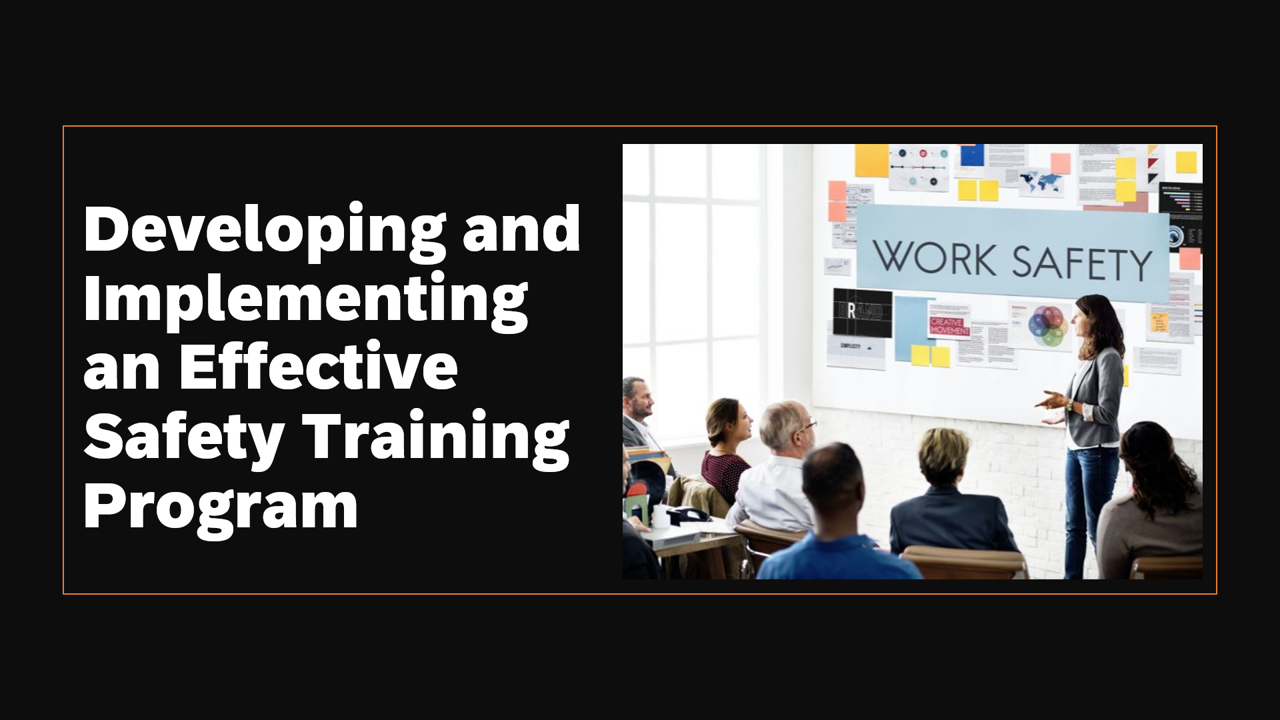
Workplace safety is a
critical issue for employers and employees alike. Every year, thousands of
workers are injured or killed on the job, leading to significant financial
losses for employers and devastating consequences for workers and their
families. Fortunately, effective safety training programs can help prevent
workplace accidents and injuries. In this article, we will provide a
comprehensive guide to developing and implementing an effective safety training
program.
PERMIT TO WORK PTW WORK PERMIT
Before we dive into the details of developing a safety training program, it’s important to understand why such programs are necessary. The primary goal of safety training is to prevent workplace accidents and injuries. This is important for several reasons:
Human Cost: Workplace accidents and injuries can have devastating consequences for workers and their families. They can result in pain and suffering, disability, and even death.
Financial Cost: Workplace accidents and injuries can also be costly for employers. They can result in lost productivity, increased insurance premiums, and legal fees.
Legal Compliance: In
many jurisdictions, employers are legally required to provide safety training
to their employees. Failure to comply with these regulations can result in
fines, penalties, and even criminal charges.
Basics of Behavior Based Safety
Given these factors, it’s clear that safety training is a critical component of any workplace safety program. But what does an effective safety training program look like?
Developing an Effective
Safety Training Program
The following steps are essential to developing an effective safety training program:
The first step in developing a safety training program is to identify the training needs. This involves assessing the risks associated with the workplace and determining what type of training is required to mitigate those risks. Some common hazards that may require training include:
Chemical hazards
Physical hazards (such
as moving machinery)
Biological hazards
(such as infectious diseases)
Environmental hazards
(such as extreme temperatures)
Ergonomic hazards (such
as repetitive motion injuries)
Once the hazards have been identified, the next step is to determine what type of training is required. This may include:
General safety training
Task-specific training
Equipment-specific
training
Emergency response
training
Once the training needs have been identified, the next step is to develop the training materials. This may involve creating PowerPoint presentations, handouts, videos, or other materials that can be used to deliver the training content. It’s important to ensure that the training materials are engaging, interactive, and easy to understand.
The next step is to deliver the training. This may involve conducting in-person training sessions, online training modules, or a combination of both. It’s important to ensure that the training is delivered in a way that is engaging, interactive, and effective. This may involve using real-life examples, case studies, or hands-on training exercises.
Once the training has
been delivered, the next step is to evaluate its effectiveness. This may
involve conducting assessments, surveys, or other forms of feedback to
determine whether the training was successful in achieving its objectives.
Based on the results of the evaluation, it may be necessary to make adjustments
to the training materials or delivery methods.
Electrical Extension Cord Safety
Implementing an
Effective Safety Training Program
In addition to developing a safety training program, it’s important to ensure that the program is implemented effectively. The following steps can help ensure that the program is successful:
It’s important to communicate the safety training program to employees to ensure that they are aware of its existence and understand its importance. This may involve conducting a company-wide meeting, sending out an email, or posting information on the company’s intranet.
To ensure that the
safety training program is successful, it’s important to provide adequate
resources. This may include providing training materials, equipment, and
personnel to deliver the training. It’s also important to ensure that employees
have access to the resources they need to maintain a safe working environment,
such as personal protective equipment.
Safety Net Fall Protection Construction
In addition to providing safety training, it’s important to establish safety procedures to ensure that employees know how to work safely. This may involve creating written safety procedures for specific tasks or equipment, and ensuring that employees are trained on these procedures. It’s also important to regularly review and update safety procedures to ensure that they remain effective.
Finally, it’s important
to monitor and evaluate the safety training program on an ongoing basis. This
may involve conducting regular safety audits, reviewing accident and injury
reports, and gathering feedback from employees. Based on the results of these
evaluations, it may be necessary to make adjustments to the safety training
program to ensure that it remains effective.
Part 2 ADNOC & GULF HSE Interview Q & A
Developing and implementing an effective safety training program is critical to
ensuring a safe working environment. By identifying training needs, developing
engaging training materials, delivering effective training, and monitoring and
evaluating the program on an ongoing basis, employers can help prevent
workplace accidents and injuries. By taking a proactive approach to workplace
safety, employers can not only protect their employees, but also avoid the
financial and legal consequences of workplace accidents and injuries.
Health Hazard – Blue | NFPA Hazard Diamond
Lone Working: Understanding the Risks and Keeping Solo Workers Safe In today’s fast-changing world of work, not everyone operates as par...


